
Best Doctor For Neonatal Intensive Care in Vartak Nagar, Thane
What is the neonatal intensive care unit (NICU)?
Newborns who require critical medical attention are frequently placed in the neonatal intensive care unit (NICU), a special section of the hospital. The NICU is equipped with cutting-edge technology and skilled medical personnel to provide the tiniest patients with specialized care. Babies who require specialized nursing care but are not as sick may also be cared for in the NICUCUs. Some hospitals lack the personnel necessary to operate a NICU.In such cases, the babies have to be moved to another hospital. It is better for babies who need critical care to be born in a hospital with a NICU than to be transferred after birth.
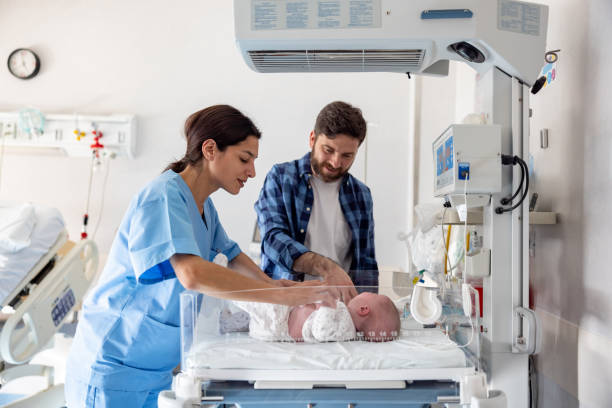
Selecting the Best Doctor For Neonatal Intensive Care in Vartak Nagar, Thane , helps parents to make sure that their infant is provided with timely and professional care in a safe environment.
For any parent, giving birth to a sick or premature child can be unanticipated. It can be intimidating in the NICU. You can use this information to better understand why a baby might require NICU care. Additionally, you will learn about some of the procedures that may be required for your baby's care.
Which babies need special care?
Most babies that entered the NICU had either a low birth weight (<5.5 lb), were premature (less than 37 weeks), or required special care due to a health problem. Prematurity is the most common reason for admission to the NICU, with approximately 10 percent of babies in the United States being born prematurely. Low birth weight is also a common characteristic among babies who are admitted to the NICU. It is not uncommon for multiple births (twins, triplets) to need to be admitted to the NICU because they usually weigh less and are born earlier than single births. The NICU also provides care for babies who have health problems such as congenital heart defects, respiratory distress, infections, or malformations. The Best Doctor For Neonatal Intensive Care in Vartak Nagar, Thane, India, provides the highest quality care for newborns, focusing on their safety and their ability to recover and develop healthfully.
The factors listed below can put a baby at high risk and raise the likelihood that they will be admitted to the NICU. However, each infant must be evaluated to determine whether they require the NICU. The list of high-risk factors is provided below.
Factors related to birth parents include:
- Being older than forty years old or younger than sixteen years old
- Use of drugs or alcohol
- Diabetes
- Hypertension, or elevated blood pressure
- Bleeding
- Sexually transmitted infections
- Multiple pregnancies (triplets, twins, or more)
- Excessive or insufficient amniotic fluid
- premature membrane rupture (also known as the bag of waters or amniotic sac)
Among the delivery factors are:
- alterations in a baby's organ systems brought on by oxygen deprivation (fetal distress or birth asphyxia)
- Breech birth, or the delivery of the buttocks first, or another unusual position
- Meconium, the baby's first stool, enters the amniotic fluid during pregnancy.
- The nuchal cord is the umbilical cord that is wrapped around the infant's neck.
- Vacuum, forceps, or cesarean delivery
- Baby factors consist of:Baby factors consist of:A baby born before 37 weeks or after 42 weeks of gestation.
- Weight at birth: 5 pounds, 8 ounces (2,500 grams) or more than 8 pounds, 13 ounces (4,000 grams)
- Compared to gestational age, small
- Resuscitation or medication in the delivery room
- Defects at birth
- respiratory distress, such as stopping breathing (apnea), grunting, or rapid breathing
- infections like chlamydia, group B streptococcus, and herpes
- Seizures
- Hypoglycemia, or low blood sugar
- Intravenous (IV) therapy, medication, or additional oxygen or monitoring
- Requirement for specific medical care or procedures, like a blood transfusion
Who will care for your baby in the NICU?
The following are a few of the highly qualified medical professionals who might look after your infant:
- neonatologist. This pediatrician has additional training in treating ill and premature infants. The neonatologist, also known as the attending physician, oversees the nurses, nurse practitioners, and pediatric fellows and residents who provide care for infants in the NICU. For thorough neonatal care and loving infant care, pick the Best Doctor for Neonatal Intensive Care in Vartak Nagar, Thane.
- fellow newborn. This pediatrician is receiving additional training in the treatment of ill and premature infants. They might oversee your child's care and perform procedures
- resident in pediatrics. This physician is undergoing additional training in pediatric care. They may oversee your child's care and perform or assist with procedures.
- A nurse practitioner of newborns. A registered nurse has completed additional training to provide care for newborns. The nurse may provide all of your child's care, including performing procedures.
- RN stands for registered nurse. RNs provide round-the-clock care for your infant. They administer medication while keeping a close eye out for any changes. They can teach you how to participate in the care of your infant.
- respiratory therapist. This individual has received specialized training in providing respiratory support. This involves controlling oxygen and breathing apparatus.
- occupational, speech, and physical therapists. These therapists ensure a baby's proper development. Additionally, they assist with care, including soothing techniques and positioning. Babies can learn to eat by mouth with the assistance of speech therapists.
- Nutritionist and registered dietitian (RDN). RDNs oversee the babies' healthy growth and nutrition. They monitor the amount of calories, protein, vitamins, and minerals your baby consumes.
- consultants for lactation. These medical professionals have additional training and certification in assisting nursing mothers and infants. They can support the initiation and continuation of breastfeeding, pumping, and milk production.
- pharmacists. In the NICU, pharmacists assist medical professionals in selecting the best medications. They verify medication levels and dosages. They inform the team about potential adverse effects and any necessary monitoring.
- social workers. When a child is sick, social workers assist families with a variety of issues. They provide emotional assistance. They assist families in obtaining information from medical professionals. They also assist the family with other, more fundamental care requirements. These may include financial difficulties, transportation issues, or setting up in-home medical care.
- chaplain at the hospital. This could be a lay pastor, priest, minister, or other religious counselor. To help families deal with the stress of the NICU, the chaplain can offer spiritual support and counseling.
For high-risk newborns, the NICU team collaborates with parents to develop a care plan. Inquire about the parent support groups and other parent assistance programs offered by the NICU.